
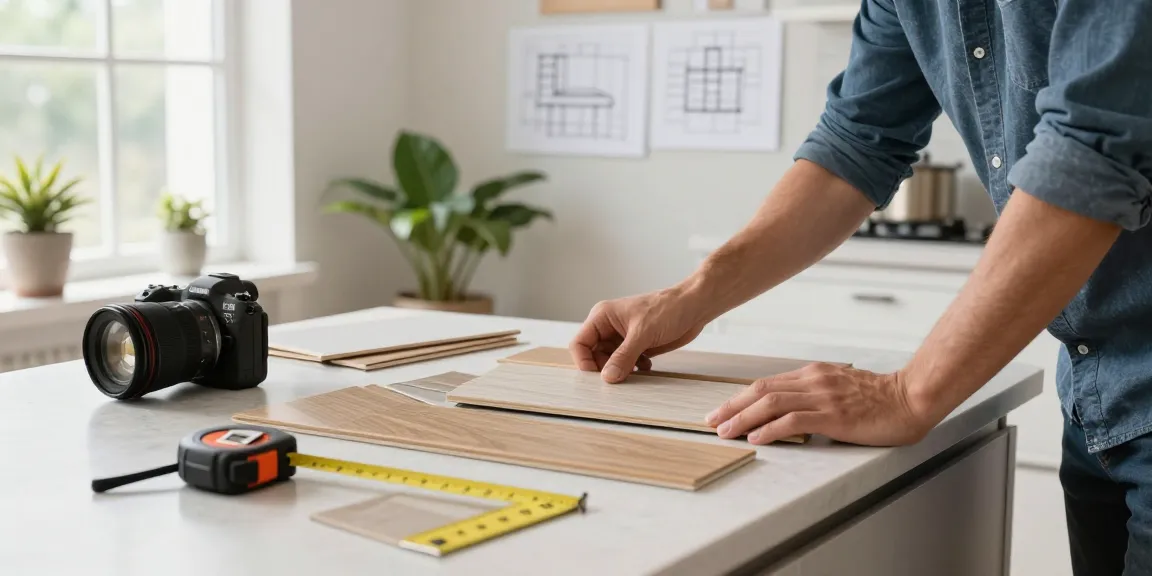
Understanding Engineered Wood Flooring
As a popular flooring option among UK homeowners, engineered wood flooring combines the beauty of real wood with practical construction. This article dives deep into everything about engineered wood flooring, exploring its unique characteristics, benefits, and differences compared to other flooring types.
What is Engineered Wood Flooring?
Engineered wood flooring consists of a natural hardwood veneer layer bonded to several layers of high-quality plywood or medium-density fiberboard (MDF). This innovative composition allows for greater stability and durability than traditional solid wood flooring, making it an ideal choice for various applications in homes and commercial spaces. The authenticity of the hardwood surface provides the elegance and luxury of natural wood, while the underlying layers offer resilience against changes in temperature and humidity.
Benefits of Engineered Wood Flooring
- Stability: Engineered wood is less prone to warping and is much more stable than solid wood, especially in fluctuating environments.
- Ease of Installation: Most engineered wood products come with a click-lock system that simplifies the installation process, making it a popular choice for DIY enthusiasts.
- Versatility: This type of flooring can be installed over various subfloors, including concrete, which is often a challenge with solid wood.
- Eco-Friendly: Many engineered wood products are made from sustainable materials, and their production uses less hardwood than solid wood flooring.
Comparing Engineered Wood to Other Flooring Types
When considering flooring options, it's crucial to understand how engineered wood stands in comparison to other types, such as laminate and solid wood. While laminate offers affordability and durability, it lacks the authentic wood feel and can be less environmentally friendly. In contrast, solid wood flooring, though beautiful, is prone to expansion and contraction with humidity changes, which engineered wood effectively mitigates. This makes everything about engineered wood flooring an essential consideration for homeowners evaluating their options.
Laminate vs. Engineered Wood Flooring
Key Differences Explained
The primary distinction between laminate and engineered wood flooring lies in their composition. Laminate is a synthetic product made from multiple layers of material fused together with heat and pressure, featuring a photographic layer that mimics wood. Engineered wood, on the other hand, features a top layer of genuine hardwood, which gives it a more authentic appearance and texture. This authenticity is one of the primary reasons many homeowners prefer engineered wood, especially in living areas where style is paramount.
Durability and Maintenance Considerations
In terms of durability, engineered wood holds the upper hand. Its layered construction makes it resistant to moisture and humidity, reducing the chances of warping or buckling. Laminate, while generally more resistant to scratches and impacts, is more susceptible to water damage and can warp if exposed to excessive moisture. Maintenance varies, with engineered wood requiring occasional refinishing to maintain its beauty, whereas laminate simply needs sweeping and mopping to keep it looking fresh.
Cost Comparison and Affordability Factors
When it comes to cost, laminate flooring typically comes out ahead as a more affordable option. Prices for laminate can start as low as £10 per square meter, making it a budget-friendly choice for homeowners looking to revamp their flooring without breaking the bank. Engineered wood, while a bit pricier, offers excellent value for those seeking longevity and the appeal of real wood, with prices ranging from £25 to £75 per square meter depending on the quality and brand.
Choosing the Right Flooring for Your Space
Best Applications for Engineered Wood
Engineered wood flooring is versatile and suitable for nearly every room in the home, including living rooms, dining areas, and bedrooms. Its resilience against moisture makes it a viable option for basements as well. However, it is not recommended for wet areas like bathrooms unless the product is specifically designed for such conditions.
Considerations for Laminate in High-Humidity Areas
While laminate is not typically recommended for areas with high humidity, it can still perform adequately if certain precautions are taken. Using high-quality laminate designed for moisture resistance and ensuring proper sealing can help mitigate the risks associated with water and humidity.
Visual and Textural Preferences in Design
For many homeowners, the choice between laminate and engineered wood comes down to aesthetic preferences. Engineered wood offers an authentic texture and appearance that can elevate a room's ambiance, while laminate provides a more versatile look that can mimic various styles. Understanding your design goals is crucial in making the right decision for your space.
Installation Insights and Tips
Professional vs. DIY Installation
Both laminate and engineered wood are designed for easy installation, but the choice between hiring a professional or undertaking a DIY project depends on your skill level and comfort. Engineered wood usually has a simpler installation process due to its click-lock design, making it accessible for those who prefer a hands-on approach.
Tools and Preparation for Successful Installation
Preparation is key to successful flooring installation. Essential tools include a hammer, spacers, a saw, and a tapping block. It's also important to acclimate the flooring in the room where it will be installed for at least 48 hours to prevent future expansion or contraction issues.
Common Mistakes to Avoid During Flooring Installation
One common mistake is failing to leave adequate expansion gaps around the perimeter of the room. Skipping this step can lead to buckling and lifting as the material expands and contracts. Additionally, neglecting to clean and level the subfloor can result in uneven surfaces and premature wear.
Future Trends in Flooring for 2026 and Beyond
Emerging Styles in Engineered Wood Flooring
As design trends evolve, engineered wood flooring is expected to embrace a variety of styles, including wider planks and mixed wood finishes. These trends cater to the growing demand for unique, personalized designs that reflect individual tastes.
Technological Innovations in Laminate Flooring
Innovation in laminate flooring continues to grow, with manufacturers developing products that mimic natural materials more convincingly. Enhanced water resistance technologies and improved installation systems are making laminate a more attractive option for style-conscious homeowners.
Sustainability and Eco-Friendly Options on the Rise
The trend towards eco-friendly flooring solutions is growing, with an increasing number of manufacturers focusing on sustainability. Both engineered wood and laminate options now feature eco-friendly certifications, making it easier for homeowners to choose greener alternatives.
What are the Advantages of Engineered Wood Flooring?
Engineered wood flooring boasts numerous advantages, including its stability, aesthetic appeal, and ability to be installed in a variety of environments. Its versatility and ease of maintenance make it a strong contender in the flooring market, especially for those seeking a natural wood look without the associated drawbacks.
Can Laminate Flooring Be Used in Bathrooms?
While it is not typically recommended, there are specific laminate products designed for bathroom use that offer increased moisture resistance. These should be installed with care, ensuring that any water spills are promptly cleaned up to prevent damage.
How to Maintain Engineered Wood Flooring?
Maintenance for engineered wood is relatively simple. Regular sweeping or vacuuming can help keep debris at bay, while occasional damp mopping is advisable to maintain its sheen. Moreover, it's essential to address scratches and dents promptly with appropriate repair products.
What is the Lifespan of Laminate Flooring?
Laminate flooring typically lasts between 15 to 25 years, depending on the quality of the product and the level of foot traffic. Proper maintenance can extend its lifespan, making it a worthwhile investment for budget-conscious homeowners.
Is Engineered Wood Flooring Worth the Investment?
For those seeking longevity, aesthetic appeal, and durability, engineered wood flooring is indeed a wise investment. Its combination of beauty and performance ensures that it remains a popular choice for years to come, especially for those looking to enhance their home's value.